




Mr. Goodwin is everything you want in an attorney: professional, honest, thorough, and genuinely caring. He always explains things clearly, so I understood exactly what was happening and what to expect next. His attention to detail and persistence really stood out. Looking back, I feel lucky to have found him. He guided me through the whole process expertly, and I deeply appreciate all his hard work. Would definitely recommend him to anyone needing legal help.
Call Today:
212-233-1233
Attorney for Equestrian Legal Issues in New York City
Equestrian activities involve significant financial investment, personal risk, and complex legal relationships. Horses are valuable assets, and disputes often arise over ownership, care, training, and liability. In New York City and surrounding areas, equestrian matters frequently require legal representation due to strict regulations, detailed contracts, and high monetary stakes. When conflicts arise, you need an attorney like the Law Offices of Albert Goodwin who understands both property law and the unique legal issues tied to equestrian activities.
Ownership and Title Disputes Involving Horses
Disagreements over who legally owns a horse are common. These disputes often involve incomplete bills of sale, shared ownership arrangements, or verbal agreements that later fall apart. Problems may also arise when a horse is purchased as an investment, breeding asset, or competition animal. Resolving ownership issues often requires court intervention, especially when possession and title do not match or when a horse is sold without proper authority.
Contracts for Sale, Lease, and Training of Horses
Equestrian contracts must clearly define price, payment terms, risk allocation, and responsibilities. Disputes frequently arise over misrepresentation of a horse’s health, age, or training level. Training and lease agreements can also lead to legal action when performance expectations are not met or when a horse is injured while under another party’s care. When contract language is unclear or violated, you need an attorney to enforce your rights or defend against claims.
Stable, Boarding, and Trainer Disputes
Boarding and stable agreements often lead to legal conflicts involving unpaid fees, improper care, or unauthorized actions taken with a horse. Trainers may face claims of negligence, while owners may dispute charges or training methods. These disputes often involve lien claims, access to the horse, and allegations of mistreatment. Legal representation is essential to resolve these issues without risking financial loss or harm to the animal.
Injury and Liability Claims Involving Horses
Horse-related injuries can result in serious legal claims. Owners, trainers, stable operators, and event organizers may all face liability depending on the circumstances. New York law places specific duties on those who own or control animals, and liability disputes often hinge on negligence, assumption of risk, and contractual waivers. When someone is injured or property is damaged, you need an attorney to assess liability exposure or pursue compensation.
Equine Business and Farm Legal Issues
Equestrian operations often function as businesses, including riding schools, breeding operations, and training facilities. Legal issues may include business formation, partnership disputes, tax concerns, and employment matters. Conflicts between business partners or investors can escalate quickly and require legal action to protect assets and operations. An attorney helps structure these businesses properly and resolves disputes when they arise.
Regulatory and Zoning Issues for Equestrian Activities in New York City
New York City imposes zoning, licensing, and animal welfare regulations that can directly affect equestrian activities. Violations may result in fines, shutdowns, or legal enforcement actions. Disputes with city agencies or neighbors over land use, noise, or animal conditions often require legal representation to navigate administrative hearings and court proceedings.
When Disputes Require Litigation or Court Intervention
Many equestrian disputes cannot be resolved informally. Litigation may be necessary to recover financial losses, enforce contracts, or protect ownership rights. Courts may also become involved in emergency situations involving the welfare or seizure of a horse. Having an experienced attorney ensures that your interests are protected at every stage of the process.
Legal Guidance From the Law Offices of Albert Goodwin
If you are facing an equestrian-related legal dispute in New York City, the Law Offices of Albert Goodwin can help you protect your rights and your investment. The firm represents clients in complex property, contract, and liability disputes involving valuable assets, including horses and equestrian businesses. With a strong litigation background and a detailed understanding of New York law, the Law Offices of Albert Goodwin provide focused legal representation when equestrian matters turn into serious legal conflicts.
Call us fora consultation. You can contact us by phone at 212-233-1233 or by email at [email protected].
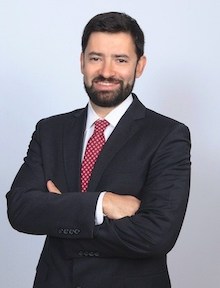
About the Author
Albert Goodwin Esq. is a licensed New York attorney with over 18 years of courtroom experience. His extensive knowledge and expertise make him well-qualified to write authoritative articles on a wide range of legal topics. He can be reached at 212-233-1233 or [email protected].