







Mr. Goodwin is everything you want in an attorney: professional, honest, thorough, and genuinely caring. He always explains things clearly, so I understood exactly what was happening and what to expect next. His attention to detail and persistence really stood out. Looking back, I feel lucky to have found him. He guided me through the whole process expertly, and I deeply appreciate all his hard work. Would definitely recommend him to anyone needing legal help.
Call Today:
212-233-1233
Can You Find Out If Someone is Dead?
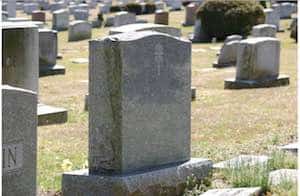
When people grow older and apart, they often wonder what happened to friends and colleagues of yore. They ask themselves, can you find out if someone is dead? With the advent of technology and internet, most information, including obituaries, can be searched online today. Here are a few search techniques to find out if someone is dead.
To find out if someone is dead, google is the best search engine to use. Search the name of the person you are looking for enclosed in quotation marks, the state, and the word “obituary.” For example, if you are looking for Adam Smith of Texas, write in the google search tab, “Adam Smith” & “Texas” & “obituary” and this will give you a myriad of results. Funeral homes have their own online obituaries. Legacy.com is a great resource as well. If this doesn’t produce any results, the next best method is through social media.
Social Media
Social media is a great resource to find out if someone is dead. Many people have online profiles, be it Facebook, Youtube, Twitter, or Instagram. Granted, the older ones, such as the octogenarians (80’s and above), might not be technologically savvy enough to have an online account. However, their children and other family members might have an account. If a search does not yield any results, try searching their family members. Browse through the profiles of their relatives. Generally, if the person has died, his family members would have made a public announcement in their profile about it. If you can’t find it in the family members’ profile, you can always ask and confirm with them by private message.
Newspapers
For those who are less technologically savvy, death announcements of someone who has died are normally published in the local newspaper. If you are from the same town and receive the newspaper, search the obituary section to see if the person you are looking for has died.
Government Records
If all else fails, you can always check in-person the death certificates in your local government to see if a person has died. You may also check the probate courts in the county where the person last resided to see if a probate case has been initiated by an executor or administrator. Normally, their phone numbers are listed in the website, and you can make a quick call to check the procedure in searching for these records.
Should you need any legal assistance, we, at the Law Offices of Albert Goodwin, are here for you. We have offices in New York City, Brooklyn, NY and Queens, NY. You can call us at 212-233-1233 or send us an email at [email protected].
Why People Need to Confirm Someone Has Died
The question of whether someone has died is more than personal curiosity in many situations. People need to confirm a death for specific legal and practical reasons:
- Estate or inheritance interest. A person may be a potential heir or beneficiary of someone they have lost contact with. Confirming the death lets them initiate or join an estate proceeding.
- Long-lost relative search. People searching for biological family members or estranged relatives often need to know whether the person is still alive before pursuing contact.
- Debt collection. Creditors trying to collect from individuals they have lost contact with sometimes need to verify whether the debtor has died.
- Insurance claims. A beneficiary of a life insurance policy may need to demonstrate the insured's death to file a claim.
- Pension and retirement benefits. Some pension funds owe benefits to surviving beneficiaries who may need to demonstrate the participant's death.
- Genealogical research. Family history researchers regularly need to identify death dates to complete family trees.
- Closure. Sometimes people simply need to know what happened to someone important in their life.
For each of these purposes, the level of formality required varies. Casual confirmation may be enough for personal closure. Legal proceedings typically require a certified death certificate.
Obtaining a Certified Death Certificate
The official document confirming death is the death certificate, issued by the Department of Health in the state where the death occurred. In New York City, death certificates for deaths within the city are issued by the New York City Department of Health and Mental Hygiene. For deaths outside New York City but within New York State, certificates come from the New York State Department of Health Vital Records.
Death certificates are restricted documents. Only certain categories of people can obtain certified copies:
- The spouse, parent, child, or sibling of the deceased.
- Other family members with a documented relationship.
- The executor or administrator of the estate (with letters from the Surrogate's Court).
- People with a "lawful right or claim" — insurance beneficiaries, judgment creditors, and similar.
- Government agencies and other parties with statutory authority.
If you cannot get a certified copy directly, you can sometimes get an "informational copy" or "non-certified copy" that confirms the death but cannot be used for legal purposes. Or you can work through an interested party (a family member, the executor) who has access.
The Social Security Death Index
The Social Security Administration maintains a Death Master File that contains information about deceased individuals reported to the SSA. The full Death Master File is restricted, but a more limited Social Security Death Index is publicly available through genealogical websites like Ancestry, FamilySearch, and Findagrave. The index typically shows the deceased's name, Social Security number prefix, date of birth, and date of death.
The SSDI is reasonably comprehensive for deaths since the 1960s but has gaps. Deaths not reported to the SSA do not appear. Privacy restrictions added in 2014 limit access to recent deaths. The SSDI is a useful starting point but not definitive.
Public Records Databases
Several commercial databases aggregate death records from many sources:
- Ancestry.com — subscription-based, includes obituaries, death certificates indexes, cemetery records, and many other sources.
- FamilySearch.org — free, operated by the LDS Church, with extensive global records.
- Findagrave.com — free, with photos and information about millions of cemetery records.
- BillionGraves.com — similar to Findagrave with GPS-tagged cemetery photos.
- Newspapers.com — subscription, with searchable historical newspapers.
- ProQuest Historical Newspapers — available through many public libraries with library card access.
For deaths older than a few decades, these resources may be the best path to confirming death and locating burial information.
Confirming Death for Estate Purposes
If you need to confirm a death because you are pursuing an inheritance interest, the formal route is through the Surrogate's Court. The court can be asked to determine that a person has died based on evidence presented, even if no death certificate is available. This is sometimes called a presumption-of-death proceeding.
Under New York law, a person who has been absent for a continuous period of seven years without explanation can be presumed dead. The presumption can be invoked through a court proceeding with notice to interested parties. If granted, the court issues an order declaring the person dead as of a determined date, which is then sufficient to open the estate.
The seven-year period can sometimes be shortened where the circumstances of disappearance strongly suggest death — a person was on a flight that crashed without survivors, was at the site of a fire from which they did not emerge, or was last seen in circumstances clearly inconsistent with continued life.
Cemetery and Funeral Home Records
Funeral homes maintain records of services they provided. Many of these records are available to family members and sometimes to others with legitimate interest. Calling the funeral homes in the area where the person likely died can sometimes confirm a death and provide information about burial location.
Cemetery records similarly show who is buried where. National cemeteries (operated by the Department of Veterans Affairs) have publicly searchable records online. Private cemeteries typically respond to telephone inquiries from family members or other interested parties.
International Searches
If the person you are looking for may have died outside the United States, the search is more complex. Foreign death records vary widely in accessibility. Some countries have well-developed online systems; others require in-country research. The U.S. State Department maintains records of American citizens who died abroad and reported the death to the embassy.

About the Author
Albert Goodwin Esq. is a licensed New York attorney with over 18 years of courtroom experience. His extensive knowledge and expertise make him well-qualified to write authoritative articles on a wide range of legal topics. He can be reached at 212-233-1233 or [email protected].