







Mr. Goodwin is everything you want in an attorney: professional, honest, thorough, and genuinely caring. He always explains things clearly, so I understood exactly what was happening and what to expect next. His attention to detail and persistence really stood out. Looking back, I feel lucky to have found him. He guided me through the whole process expertly, and I deeply appreciate all his hard work. Would definitely recommend him to anyone needing legal help.
Call Today:
212-233-1233
New York Guardian: Who They are and What They Do
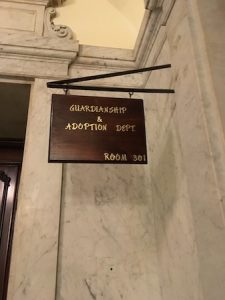
A New York guardian is a person who is appointed to be responsible for making decisions for a person who does not have the capacity to make decisions. A New York guardian can be responsible for a child, an older adult or a person who is mentally disabled.
Individuals who require guardianship are vulnerable elements of society. Older adults, who have done well their entire lives, but are no longer able to take care of themselves. The intellectually disabled or developmentally disabled. The mentally ill. Injury victims. Each ward has a life story, and their New York guardian should treat them with the utmost sensitivity and care.
Typical Responsibilities of a Guardian
New York Guardianships are narrowly for fit each incapacitated person’s situation. For that reason, every New York guardian’s duties vary on a case to case basis. In most instances, a list of each New York guardian’s duties can be easily found in the Guardianship Order issued by the judge in their case. Here is a typical list:
- Making sure the incapacitated person is safe;
- Managing the finances of the incapacitated person, including paying bills, collecting assets, making investments, and exercising any financial rights that the incapacitated person would be able to;
- Making healthcare decisions for the incapacitated person;
- Determining where the incapacitated person should live and whether nursing home placement is appropriate;
- Providing the incapacitated person with proper medical care and daily living upkeep, such as cleaning the residence, getting adequate home care, grooming, dressing, bathing, and so forth;
- Petitioning the Family Court for orders of protection if physical abuse is an issue;
- The guardian may also be given the authority to make gifts to reduce estate taxes;
- The guardian may be in charge of taking steps necessary to obtain Medicaid for the incapacitated person;
- The guardian must file annual reports regarding income and disbursements for the incapacitated person;
- Visit the incapacitated person at least 4 times a year;
This list is by no means exhaustive, inclusive or exclusive. If you have a guardianship order in your case, we strongly urge you to consult your guardianship order for specific duties, and contact a guardianship attorney if you have any doubts or questions. If you are thinking of becoming a New York guardian, this is the type of duties that you should expect to carry out.
Article 81 Guardianship
Guardianships of adults in New York are obtained through proceedings under Article 81 of the Mental Hygiene Law. Article 81 applies to any adult who agrees to the appointment or is determined by the court to be incapacitated, whether because of age, illness, trauma, mental illness or disability. Article 81 guardianships are tailored: the guardian receives only the powers that are necessary for the ward’s needs. In every guardianship the guardian has a duty to look out for the best interest of the ward, and where the guardianship is of the property, the guardian must submit reports to the court at regular intervals.
Who Can Be Appointed as a New York Guardian
New York law says that a guardian must be 18 or over. The person who is the subject of the proceeding may nominate their own guardian, and the court must appoint that nominee unless the nominee is unfit.
The Supreme Court has jurisdiction to hear Article 81 guardianship proceedings, and the judge has the authority to decide who the guardian shall be and approve the guardianship.
A person’s age and health are important considerations for choosing a guardian. The judge will make sure that a guardian has no history of child abuse or neglect.
What Does a New York Guardian of the Person Do
A guardian for personal needs is appointed is to make sure that the ward is comfortable and well taken care of. The extent to which the guardian can be involved in the life of the ward will depend on the powers granted by the court. The most important personal needs powers are listed below:
Basic Personal Needs Powers – there is a set of personal needs powers that are given to most guardians. They are the powers to:
- determine who will provide personal care or assistance
- choose the place of abode
- make decisions regarding the social environment and other social aspects of the life of the ward
- determine whether the incapacitated person should possess a license to drive.
- determine whether the incapacitated person should travel, and make travel arrangements if necessary.
Nursing Home Placement – if a guardian feels that the ward is no longer able to stay in the home, and would benefit from the round the clock care of a nursing home, the guardian may place the ward in a nursing home, with court approval.
Apply for Government Benefits – a ward may need help in applying for Medicaid, SSI, Medicare, and other government benefits. A ward may also need help in recertifying for those benefits.
Make Education Decisions – this applies more to younger wards, and includes the power to enroll the ward in a suitable special education program.
Protect the Ward from Fraud – once appointed, the guardian can take measures to protect the ward from fraud. A guardian can ask the court to freeze the ward’s bank accounts to prevent theft, or if someone already stole from the ward, to order individuals to return the stolen property.
Protect the Ward from Abuse – the guardian can assess the ward’s life circumstances to determine whether the ward is being abused, and take the ward out of a dangerous environment. The guardian may even ask the court to issue an order of protection against an individual who is suspected of abusing the ward.
Even before becoming a guardian, one should contact the police if it is suspected that the ward is a victim of a crime.
What Does a New York Guardian of the Property Do
If a court determines that the ward is not well enough to manage property, that authority will be delegated to the guardian. The extent of that authority will depend on the ward’s capacity and on the extent of the ward’s property.
Basic Property Management Powers – the basic property management powers include making day-to-day transactions, such as paying the bills, collecting rents and making repairs.
Advanced Property Management Powers – for a ward that has more complicated property arrangements, a guardian can be granted further powers, such as managing investments, collecting rents and past due accounts, and even managing a business.
Engage in Medicaid and SSI Planning – Medicaid can go a long way to provide needed medical care, and SSI can make sure that the ward’s daily needs are provided for. Advanced planning is often required to make sure the ward qualifies for Medicaid and SSI and continues to receive it. The guardian can help the ward achieve and maintain Medicaid and SSI eligibility, with the advise of an attorney, using tools such as Special Needs Trusts and Pooled Trusts.
Prevent Financial Abuse – A guardian can prevent financial abuse from unscrupulous caregivers and family members of the ward.
Maintain a Lawsuit – A ward that does not have the ability to understand what a lawsuit means, or is unable to follow the details of a lawsuit and make decision will need a guardian or a guardian ad litem to participate in the lawsuit, in communicating with the attorneys involved and settlement or trial decisions.
An experienced estate attorney can help you get appointed as a New York guardian and can assist you with issues that arise in the Guardianship. If you have a question about being a New York guardian, call the Law Offices of Albert Goodwin at (212) 233-1233.

About the Author
Albert Goodwin Esq. is a licensed New York attorney with over 18 years of courtroom experience. His extensive knowledge and experience make him well-qualified to write authoritative articles on a wide range of legal topics. He can be reached at 212-233-1233 or [email protected].



